A Comprehensive Guide to Biometric Terminals for Workforce Management

Biometric terminals are transforming the way businesses manage attendance, access control, and workforce security. From fingerprint scanners to facial recognition systems, these advanced solutions help organisations improve accuracy, reduce time theft, and streamline employee management processes. Modern businesses are increasingly adopting biometric technology because it offers a faster, safer, and more reliable way to monitor employee attendance and workplace access.
In today’s competitive business environment, manual attendance systems and traditional punch cards are no longer enough. Companies need smart systems that provide real-time tracking, cloud integration, and accurate reporting. Biometric terminals deliver all these benefits while enhancing operational efficiency.
What Are Biometric Terminals?

Biometric terminals are electronic devices that identify individuals based on unique biological traits such as fingerprints, facial recognition, or palm scans. These systems are commonly used for time attendance tracking, employee verification, and secure access control.
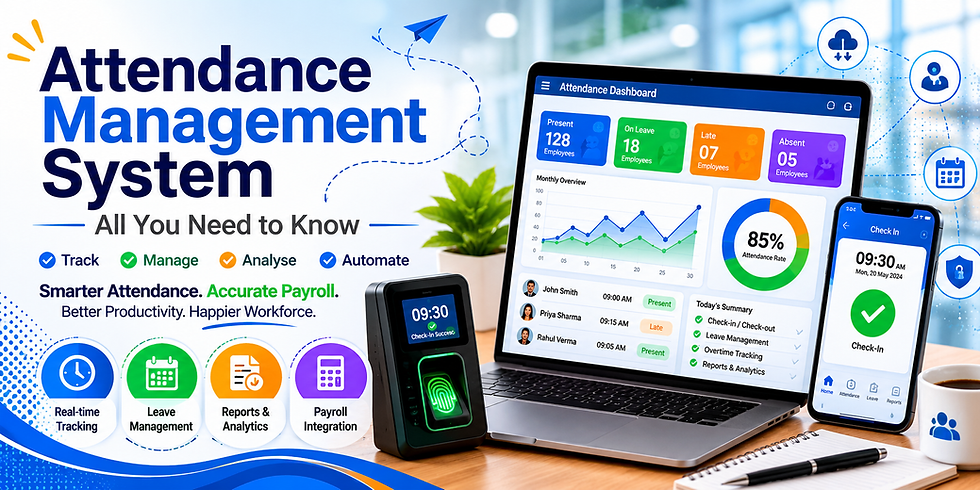
Unlike traditional methods such as PINs, swipe cards, or passwords, biometric systems use unique physical characteristics that cannot easily be duplicated. This makes them highly secure and efficient for modern workplaces. Many workforce management systems now integrate biometric terminals with payroll, scheduling, and HR software for seamless automation.
Key Features of Biometric Terminals
1. Accurate Time Tracking
Biometric systems eliminate buddy punching and manual errors. Employees can quickly clock in and out using their fingerprints or facial recognition, ensuring accurate attendance records.
2. Enhanced Security
These terminals provide strong access control by allowing only authorised individuals to enter secure areas. This is particularly important for offices, warehouses, manufacturing plants, and healthcare facilities.
3. Cloud-Based Integration
Modern biometric terminals integrate with cloud-based workforce management platforms, allowing managers to monitor attendance and employee activity from anywhere.
4. Real-Time Reporting
Businesses can access instant reports related to lateness, overtime, absenteeism, and employee productivity. This helps management make informed decisions quickly.
5. Multi-Site Workforce Management
Many businesses operate across multiple locations. Biometric systems allow centralised management of employee attendance across all sites using a single dashboard.
Types of Biometric Terminals
Fingerprint Recognition Terminals
Fingerprint terminals are among the most commonly used biometric systems. They are affordable, reliable, and easy to use. Employees simply place their finger on the scanner for authentication.
Facial Recognition Terminals
Facial recognition technology offers touch-free authentication, making it ideal for workplaces focused on hygiene and convenience. These systems use advanced algorithms to verify employee identities quickly.
Card and Biometric Combination Systems
Some organisations combine smart cards or fobs with biometric verification for an added layer of security. This dual authentication method improves workplace protection.
Benefits of Using Biometric Attendance Systems
Reduced Payroll Errors
Automated attendance tracking helps businesses calculate wages, overtime, and shift allowances more accurately. This reduces payroll disputes and administrative workload.
Improved Productivity
Employees spend less time manually recording attendance, while managers can monitor workforce activity more efficiently.
Better Compliance
Biometric systems support compliance with workplace attendance policies and labour regulations by accurately recording and reporting attendance data.
Cost Savings
By preventing time fraud and reducing manual administration, biometric terminals can help organisations save money over time.
Scalable Workforce Management
Whether managing a small office or a large enterprise, biometric systems can scale according to business needs.
How Biometric Terminals Support Modern Businesses
Businesses today require flexible workforce management tools that support hybrid working, remote monitoring, and mobile accessibility. Advanced systems provide integration with smartphones, cloud dashboards, and HR platforms to ensure complete visibility of employee attendance and workplace activity.
Companies such as Chronicle Online provide integrated workforce management solutions that combine biometric terminals, time attendance tracking, access control, and HR management in a single platform. These integrated solutions help businesses improve operational efficiency while maintaining accurate employee records.
Data Security and Privacy Considerations

As biometric systems collect sensitive personal data, businesses must ensure compliance with data protection regulations and implement strong cybersecurity measures. Secure cloud hosting, encrypted data storage, and controlled user access are essential for maintaining employee trust and protecting sensitive information.
Employers should also communicate clearly with staff regarding how biometric data is collected, stored, and used within the organisation.
Choosing the Right Biometric Terminal
When selecting a biometric system, businesses should consider:
· Number of employees
· Workplace environment
· Cloud integration capabilities
· Mobile accessibility
· Reporting features
· Security requirements
· Ease of installation and support
Choosing a scalable and user-friendly system ensures long-term efficiency and business growth.
The Future of Biometric Technology
Biometric technology continues to evolve rapidly with advancements in artificial intelligence, cloud computing, and mobile workforce management. Future systems are expected to offer even faster authentication, enhanced security, and deeper integration with smart workplace technologies.
As businesses continue to modernise operations, biometric terminals will remain a vital tool for workforce management, attendance tracking, and workplace security.
FAQs
What is the purpose of a biometric terminal?
A biometric terminal is used to identify employees through unique physical characteristics such as fingerprints or facial recognition for attendance tracking and access control.
Are biometric attendance systems secure?
Yes, biometric systems are generally highly secure because they use unique biological traits that are difficult to duplicate. Modern systems also use encrypted data protection.
Can biometric terminals integrate with payroll software?
Yes, many biometric systems integrate directly with payroll and HR software to automate attendance calculations and reporting.
Which industries use biometric terminals?
Biometric systems are widely used in offices, healthcare, manufacturing, retail, education, logistics, and construction industries.
Are facial recognition systems better than fingerprint scanners?
Both technologies have advantages. Facial recognition offers touch-free convenience, while fingerprint scanners are cost-effective and highly accurate.
Why are businesses switching to biometric attendance systems?
Businesses are adopting biometric systems because they improve accuracy, reduce time fraud, enhance security, and streamline workforce management processes.


Comments