Smarter Ways to Manage Payroll, Projects and Employee Time

Managing a modern workplace involves more than simply paying employees on time. Businesses also need to keep accurate records, monitor project costs, organise staff schedules and manage holidays effectively. When these responsibilities are handled separately, routine administration can become difficult to maintain. A well-organised digital approach can bring greater consistency to everyday workforce management.
Making Payroll Administration More Efficient

Payroll requires careful attention to working hours, pay rates, deductions and employee records. For UK businesses, keeping payroll information organised is essential for maintaining accurate payments and reducing unnecessary administrative work. Using online payroll software uk can help businesses manage payroll information in a more structured way, making routine tasks easier to handle.
Digital payroll processes can reduce the reliance on spreadsheets and paperwork. Employee information can be stored in one place, while working hours and relevant records can be reviewed when needed. This can save administrative time and make it easier to identify missing or inconsistent information before payroll is completed.
Keeping Employee Records Organised
Accurate employee records support many areas of business administration. Details relating to working hours, schedules, pay and leave need to be maintained carefully. A centralised digital system can make information easier to access and reduce the need to update several separate records.
Good record keeping can also support communication between managers and administrative teams. When information is organised clearly, employees can receive more consistent answers to questions about working hours, holidays and payroll.
Understanding the Importance of Project Cost Control
For businesses that work on client projects, managing employee time is closely connected with understanding project expenditure. Knowing how much time staff spend on specific tasks can provide useful information for budgeting, planning and reviewing project performance.
This is where job costing software can be valuable. It can help businesses monitor the time and resources associated with different jobs, giving managers a clearer picture of where costs are being generated. Instead of relying on estimates alone, businesses can use recorded information to support more informed decisions.
Connecting Time with Project Planning
Accurate time records can help managers understand how resources are being used across different projects. If a particular task consistently takes longer than expected, managers can review the situation and consider whether schedules, staffing levels or project estimates need to change.
This approach can also help businesses identify areas where processes could be improved. Better information about employee time can support more realistic planning and help organisations make better use of available resources.
Supporting Flexible Working and Staff Holidays
Workplace requirements have changed significantly, with many organisations now supporting flexible schedules, varied working patterns and planned periods of leave. Managing these arrangements manually can create unnecessary administration, especially when several employees request time away at the same time.
A digital approach can make holiday planning easier by providing a clearer view of employee availability. Managers can check upcoming leave, identify potential staffing gaps and plan workloads accordingly. Employees can also benefit from a more straightforward process for submitting and reviewing holiday requests.
Improving Workforce Visibility
Having clear information about attendance, working hours and planned leave can help managers make better day-to-day decisions. For example, if several employees are unavailable during the same period, managers can review workloads and make arrangements before staffing becomes an issue.
Better visibility can also support fairness and consistency. When holiday requests and employee records are maintained systematically, there is less reliance on informal conversations or scattered paperwork.
Reducing Repetitive Administrative Work
One of the main advantages of digital workforce tools is the ability to reduce repetitive tasks. Manually entering the same information into different records takes time and can increase the possibility of mistakes. Streamlined processes can help staff spend less time on routine administration and more time on important business activities.
Digital systems can also make information easier to retrieve. Instead of searching through files or separate spreadsheets, authorised users can access relevant records when required. This can improve efficiency while supporting a more organised working environment.
Helping Managers Make Better Decisions
Reliable workforce information can provide managers with a stronger foundation for planning. Attendance records, working hours, project information and employee availability can all contribute to a clearer understanding of business operations.
With better information available, managers can identify staffing requirements, review workloads and plan resources more effectively. This can be particularly helpful for growing organisations where manual processes become increasingly difficult to manage.
Creating a More Organised Workplace
Effective workforce administration depends on accurate information and practical processes. Payroll, project tracking, attendance and holiday planning may involve different responsibilities, but they are all connected through employee information and working time.
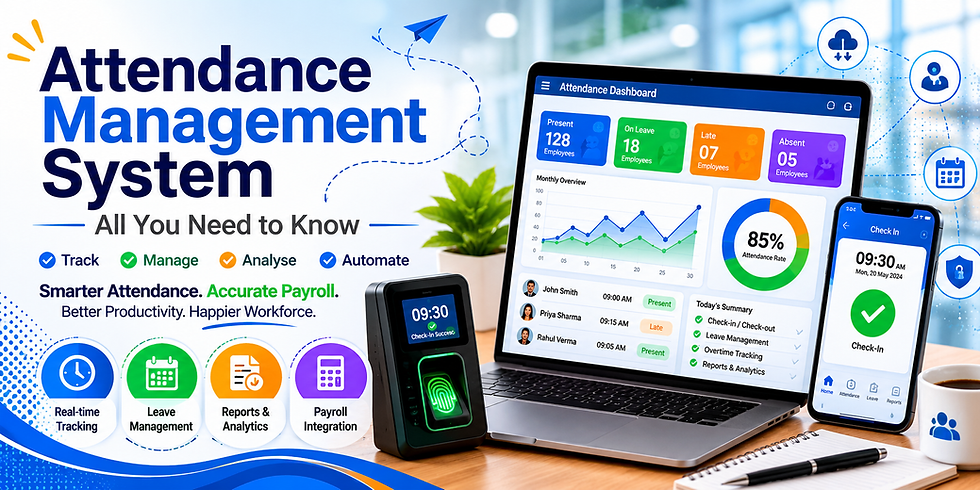
Adopting suitable digital solutions can help businesses create more consistent processes while reducing unnecessary paperwork. An employee holiday booking system can simplify leave requests, improve visibility of staff availability and help managers plan workloads more effectively.
Chronicle Online provides practical workforce management solutions designed to support businesses with everyday employee administration. By bringing important processes into a more organised digital environment, organisations can improve record keeping, simplify routine tasks and support more efficient workforce planning.
As businesses continue to adapt to changing workplace requirements, reliable digital tools can make administration easier to manage. A well-structured approach to payroll, project costs and employee availability can help organisations maintain accurate records, improve efficiency and create a smoother experience for both managers and employees.
Frequently Asked Questions
Why is digital payroll management useful for businesses?
Digital payroll management can reduce manual data entry, organise employee information and make payroll records easier to access. It can also help businesses maintain more consistent processes.
How can project cost tracking support better planning?
Recording employee time against projects can help businesses understand how resources are being used. This information can support budgeting, workload planning and more accurate project estimates.
How can businesses manage employee holidays more effectively?
An employee holiday booking system can help organisations manage leave requests, review staff availability and identify potential scheduling gaps. This can make holiday administration simpler while helping managers plan workforce requirements more effectively.


The payroll project discussion shows how small access issues can slow down routine work. If I forget my Utumishi account password, I use ess.utumishi.go.tz this gives me a clear route to reset it and regain access to my employee account without unnecessary hassle again.
If you log in to Compass Mobile Dollar Tree, you can check upcoming shifts and hours, request schedule changes or shift swaps, and review paystub information. These self-service options can reduce routine questions for managers and make everyday payroll and scheduling tasks easier to handle.